
Confidence
Clinical Confidence
Support technicians as they develop practical skills, stronger judgment, and greater comfort in demanding clinical environments.
Training
Practical veterinary training built around real hospital workflows. MycoVP helps hospitals strengthen clinical confidence, reinforce workflow consistency, and prepare veterinary teams for the demands of emergency, specialty, ICU, and high-acuity care.
Training is designed to support practical readiness, not generic classroom instruction.
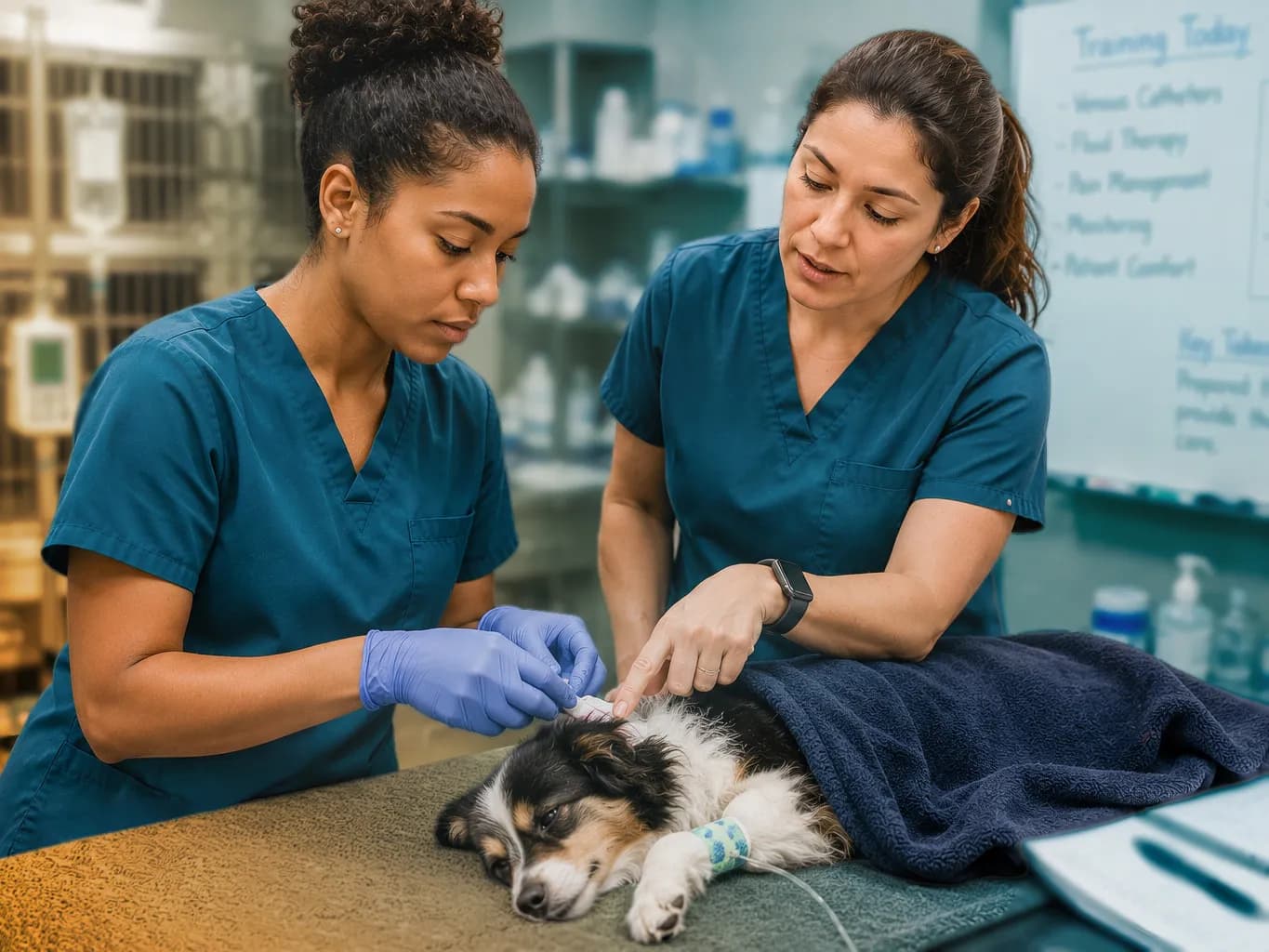
Why hospitals invest in training
Hospital Readiness Training helps veterinary teams build practical confidence, improve consistency, and reinforce the workflows their patients and teammates depend on.
Confidence
Support technicians as they develop practical skills, stronger judgment, and greater comfort in demanding clinical environments.
Consistency
Help teams communicate, coordinate, and work more consistently across shifts, departments, and changing hospital demands.
Onboarding
Help newer staff integrate into existing hospital workflows with clearer expectations and practical reinforcement.
Reinforcement
Refresh skills and reinforce expectations after growth, turnover, role changes, or operational shifts.
Training areas
Training areas can be shaped around the needs of the hospital, the experience level of the team, and the clinical environments where stronger consistency is needed.
Emergency & Critical Care
ICU Workflow
Hospital Communication
Patient Monitoring
Clinical Documentation
Anesthesia Support
Shift Handoffs
Workflow Consistency
Technical Skills Reinforcement
Professional Development
Training process
Hospital Readiness Training is built around practical needs, available team capacity, and the workflows your hospital depends on every day.
MycoVP starts by discussing the hospital environment, team needs, training goals, and areas where stronger consistency or confidence is needed.
Training priorities are clarified around clinical skills, workflow expectations, communication, onboarding, or department-specific reinforcement.
A practical training approach is shaped around the hospital’s needs, team experience, available time, and operational realities.
Training can be delivered through practical instruction, discussion, demonstration, coaching, or workflow-focused reinforcement depending on the need.
MycoVP can help review next steps, identify continued support needs, and connect training conversations to broader hospital readiness goals.
Who training supports
Hospital Readiness Training can support teams across emergency, specialty, ICU, general practice, and growing hospital environments.
Support teams as patient volume, services, and staffing needs become more complex.
Reinforce readiness, communication, and practical skills in fast-moving care environments.
Support consistency across referral workflows, handoffs, and specialty service expectations.
Strengthen clinical confidence and workflow awareness in high-acuity patient care settings.
Support teams managing growth, turnover, onboarding, and day-to-day workflow consistency.
Help newer team members build confidence, understand expectations, and integrate into hospital workflows.
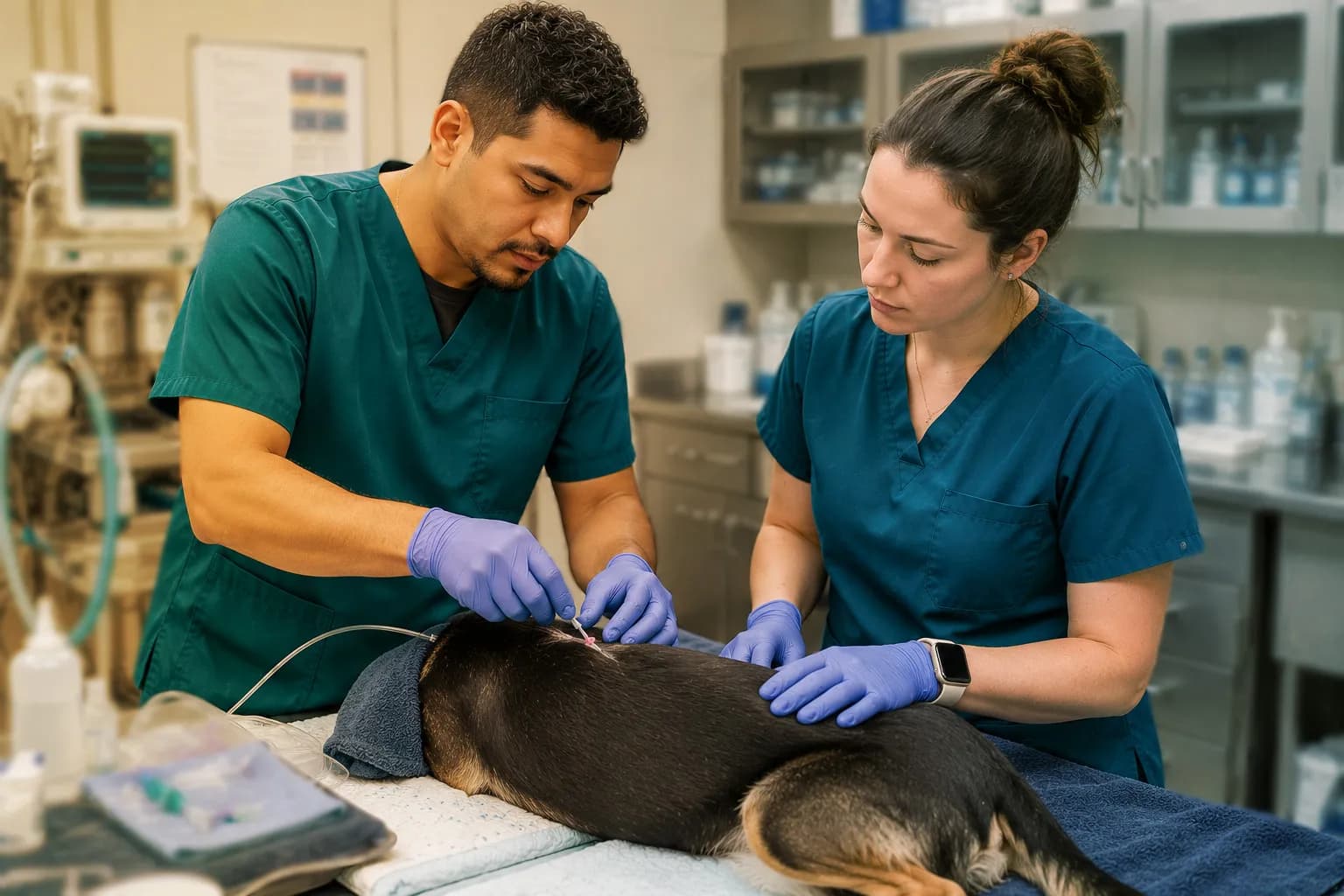
Why MycoVP training is different
Hospital Readiness Training reflects the realities of emergency, specialty, ICU, referral, and fast-paced clinical environments. The objective is not simply transferring knowledge—it is helping teams work together with greater confidence, consistency, and readiness.
Training reflects the realities of emergency, specialty, ICU, and referral medicine rather than generic classroom instruction.
Communication, consistency, and team coordination are treated as essential clinical skills alongside technical knowledge.
Every hospital operates differently. Training begins with understanding your environment before discussing solutions.
Training FAQ
These answers are intended to clarify how MycoVP approaches practical training, customization, and hospital team support.
Request training
Tell us about your hospital, team needs, and training goals. MycoVP can review whether Hospital Readiness Training is a fit for your technicians, workflows, and patient care environment.